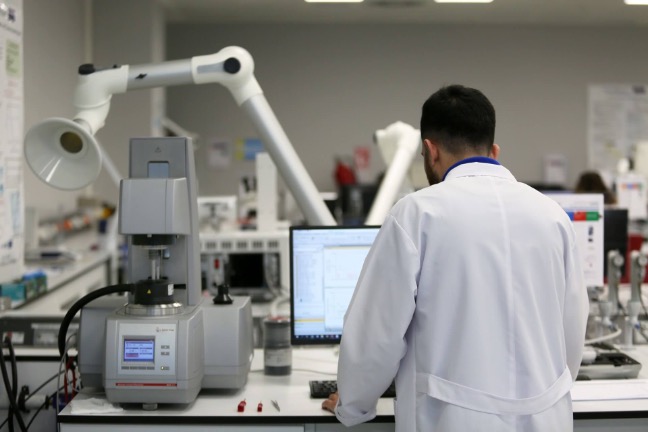
Technology & Innovation Management

Kordsa gives central stage to innovation and R&D in its operations with a view to develop value-added and sustainable technologies that make a difference in all its business lines.

Global Technology Center

One of Türkiye’s accredited R&D Centers, Kordsa's first Global Technology Center was established in 2008 and authorized by the Republic of Türkiye’s Ministry of Industry and Technology in 2009. Since its establishment, this Center has received numerous awards and holds the title of Türkiye’s leading and pioneering R&D center.

Kordsa, which receives the "Best R&D Center" award in the textile field every year, has been selected as Türkiye’s "Best R&D Center” 4 times.

In the Türkiye Innovation and Entrepreneurship Week, the R&D center was awarded first place in the’Innovation Strategy’ category in 2015 and received the third-place award in 2017. Furthermore, in the Türkiye Innovation and Entrepreneurship Week, it secured second-place awards in the Innovation Resources category in 2019 and in the ‘Innovation Strategy’ category in 2021.

The center conducts research aiming at increasing energy efficiency and reducing carbon dioxide emissions while considering environmental impacts. It also focuses on developing new technologies and capabilities.


Reinforcing life across 4 continents in line with its "Innovation Everywhere" approach, Kordsa develops innovative composite technologies at the Composite Technologies Center of Excellence in Istanbul, in addition to its Global Technology Center in Izmit. Furthermore, while the Asia Pacific Technical Center in Indonesia focuses on tire reinforcement technologies, Kordsa Advanced Materials Technical Center in the U.S. works on aviation, aerospace, and mobility technologies. In Germany, Sabancı Technology Center, established by Sabancı Holding and in which Kordsa is also present, acts as an innovation bridge in the fields of composite technologies and construction reinforcement. Thus, Kordsa not only shapes the future of technology but also transcends geographical boundaries.

Platforms

In Global Technology Center, there are 5 platforms Global engineering, Tire Reinforcement, Construction Reinforcement, Thin Film and Flexible Electronics, Chemicals, Sustainable Chemicals.

Chemicals/ Sustainable Chemicals
Within the scope of Chemicals Platform’s main responsibilities, key areas of focus include the development of treatment solutions and yarn finishing oil formulations that improve the adhesion performance of tire cord fabric, preferably with sustainable chemicals and processes, the realization of raw material approvals for tire cord dipping chemicals, the validation of recycling technologies for the production of yarn and cord fabric from recycled polyester in line with our sustainability targets and production and development of bio-based materials that will appeal to new markets using the materials approved from recycling.
Thin Film and Flexible Electronics platform was established in 2019 with the objective of researching and developing technologies that will integrate into our daily lives such as wearable biosensors, new generation PV technologies, radio frequency identification (RFID) devices. One of the platform's prominent projects is to develop flexible RFID tags embedded into tires for the future of mobility in collaboration with SES RFID Solutions GmbH (Germany), and another is to develop wearable nanotechnological sensors for health as the Research Project Manager Organization in the TUBITAK 1004 supported "NANOSIS" project.
The Tire Reinforcement Platform in Global Technology Center of Kordsa focuses on developing innovative technologies and solutions for tire reinforcement. The platform is responsible for various projects categorized into Know-How, Value-up, and Opex, which are closely monitored through an online system. Emphasizing collaboration and open innovation, the platform works closely with industry partners and universities to develop cutting-edge technologies that set new standards for tire reinforcement products, processes, and machinery.

Composite Technologies Center of Excellence 

Composite Technologies Center of Excellence (CTCE) brings university and industry together under the same roof to address fundamental research, applied research, technology development, product development, resourcing, and manufacturing process issues associated with composite products.  The ecosystem also includes designers, engineers, production process managers, and personnel, doctoral students, postdoctoral researchers, faculty members, and incubators/entrepreneurs who play a vital role in the overall process. CTCE serves customers at every stage of the research and development cycle beginning with fundamental research, continuing with prototyping, and ending with mass production. 

Built on a 15,000 m² closed area with a 5,000 m² laboratory infrastructure, CTCE hosts one of the very few test centers in the World as well as a manufacturing facility. 
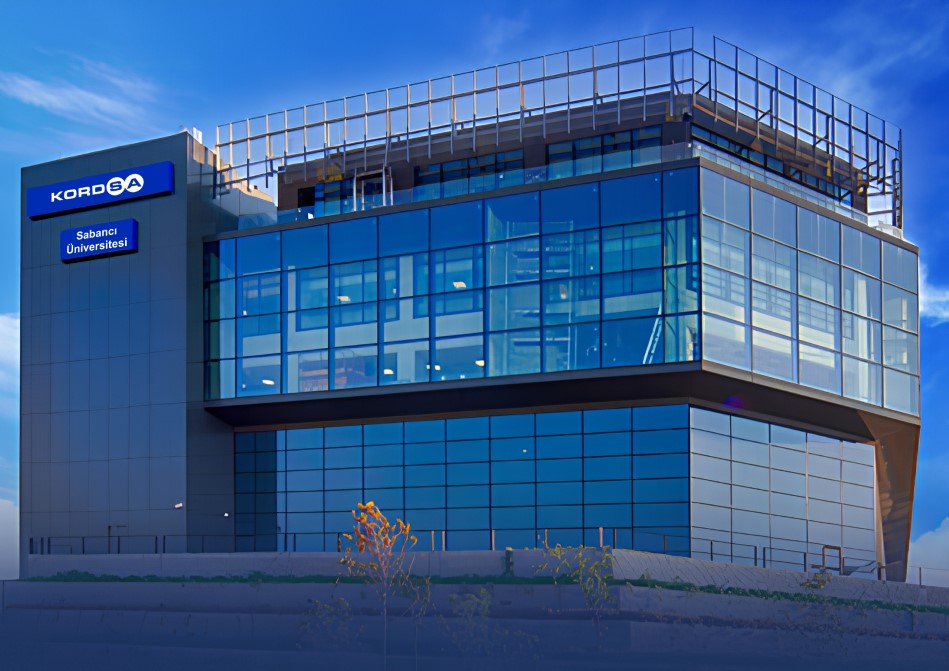
Composite Technologies Excellence Center

Kordsa Competencies 

Kordsa develops innovative and unique intermediate products and applications in the field of composite reinforcement for the aviation and automotive, sports equipment and maritime sectors in particular, at the Composite Technologies Center of Excellence, which brings industry and universities together under the same roof. 

Kordsa Composite Reinforcement R&D Center
Kordsa's second R&D center, approved by the Ministry, is in the Composite Technologies Center of Excellence. Kordsa's R&D center in CTCE not only develops products, but also enables mass production of prepregs, fabrics and panels for the composite industry. 
At the Composite Technologies Center of Excellence, Kordsa develops innovative intermediate products and applications in the field of composite technologies for various sectors including sports equipment, wind turbines, and marine, especially aerospace and automotive. Kordsa, producing thermoset and thermoplastic prepregs, surface and adhesive film prepregs, adhesive film prepregs for aerospace, automotive, and sports equipment, has a wider product range and a more flexible production capability with the power gained by weaving its dry fabrics.

Sabancı University
Integrated Manufacturing Technologies Research and Application Center 

Sabancı University Integrated Manufacturing Technologies Research and Application Center (SU IMC) was founded in 2016 with an investment of 35$ million with SU, Kordsa and Government support. SU IMC is an industrial scale research and technology development center that provides design, manufacturing, assembly, and process prototyping services in the field of composite materials and additive manufacturing within the scope of laboratory testing, design and simulation services, prototype production, research and development services. It also provides consultancy and training services to government institutions and industrial companies in the field of advanced production technologies. 

SU IMC employs 11 faculty members, nearly 90 undergraduate and graduate students, 12 post-doc researchers and visiting professors, and nearly 60 engineers, technicians, and administrative personnel.  SU IMC’s mission is to create university-industry synergy by using the Center’s infrastructure, to foster competent human resource in university-industry collaboration, and to use and develop high technology via open innovation principles with its industrial stakeholders. 

SThe first university and industry cooperation in the field of composite technologies was established with the cooperation of SU IMC and Kordsa and named “Composite Technologies Center of Excellence” (KTMM). The business model became Türkiye’s pioneer among composite technologies development centers in the world.  SU TÜMER aims to establish cooperation with industry players in various fields, particularly in aviation, defense, automotive, maritime, energy, textile, sports and medical equipment in the global arena. 

Read more

Sabancı University Integrated Manufacturing Technologies Research and Application Center (SU IMC) was founded in 2016 with an investment of 35$ million with SU, Kordsa and Government support. SU IMC is an industrial scale research and technology development center that provides design, manufacturing, assembly, and process prototyping services in the field of composite materials and additive manufacturing within the scope of laboratory testing, design and simulation services, prototype production, research and development services. It also provides consultancy and training services to government institutions and industrial companies in the field of advanced production technologies. 

SU IMC employs 11 faculty members, nearly 90 undergraduate and graduate students, 12 post-doc researchers and visiting professors, and nearly 60 engineers, technicians, and administrative personnel.  SU IMC’s mission is to create university-industry synergy by using the Center’s infrastructure, to foster competent human resource in university-industry collaboration, and to use and develop high technology via open innovation principles with its industrial stakeholders. 

SThe first university and industry cooperation in the field of composite technologies was established with the cooperation of SU IMC and Kordsa and named “Composite Technologies Center of Excellence” (KTMM). The business model became Türkiye’s pioneer among composite technologies development centers in the world.  SU TÜMER aims to establish cooperation with industry players in various fields, particularly in aviation, defense, automotive, maritime, energy, textile, sports and medical equipment in the global arena. 

Read more

Sabancı Technology Center

Sabancı Technology Center which located in Munich has been meticulously designed to house cutting-edge equipment and laboratories. Kordsa has joined its forces with Sabancı Holding and Çimsa, in this technology center to enable its expert engineers and visionary researchers to push the boundaries of construction science, develop new techniques, and create revolutionary material technologies.

Kordsa’s hub of innovation is rooted in a deep-seated belief in continuous learning and improvement. Sabancı Technology Center will not only provide tools to develop new technologies but will also create opportunities for collaboration and knowledge sharing among stakeholders in the construction industry, primarily in Europe.

The main scope of Kordsa’s innovation hub is fiber technology, structural reinforcement and chemical additives. These technologies and concepts are being transformed into pioneering products and applications that can revolutionize the way Kordsa builds.

In Sabancı Technology Center, together with academicians, suppliers, customers, and stakeholders, Kordsa’s main goal is to ‘Innovate Everywhere'!
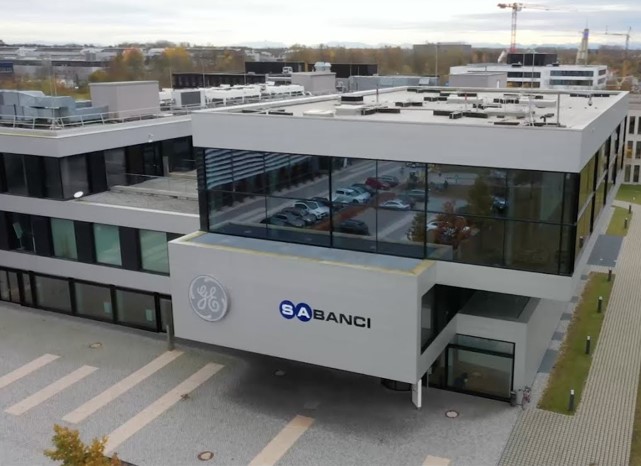
Kordsa Advanced Materials Technical Center

Axiom Materials, a leader in specialty advanced composite solutions, is a progressive composite materials manufacturer founded with the intention of combining a quality prepreg, adhesive, and ancillary composite products platform with customer-focused service and forward-thinking design.

Axiom Materials’ reputation for agility and flexibility sets the Company apart in its industry. Axiom Materials works closely with clients across the globe in aerospace, military, automotive, industrial, sports, and medical industries to create exceptional, next-generation solutions. The Company is AS9100D and ISO90012015 certified.

Kordsa has opened a technology center “Kordsa Advanced Materials Inc. Technical Center” reinforces Kordsa’s commitment to global innovation, and "Innovate Everywhere" vision in North America, in Santa Ana California, through its subsidiary Axiom Materials Inc. The center focuses on developing cutting-edge materials specifically for the mobility, aviation, and space technology sectors. The Center explores sustainable solutions for commercial aviation, interior and structural applications, alongside bio-based and recyclable materials for the mobility sector.

For more information about Axiom Materials please click the following link: https://axiommaterials.com/
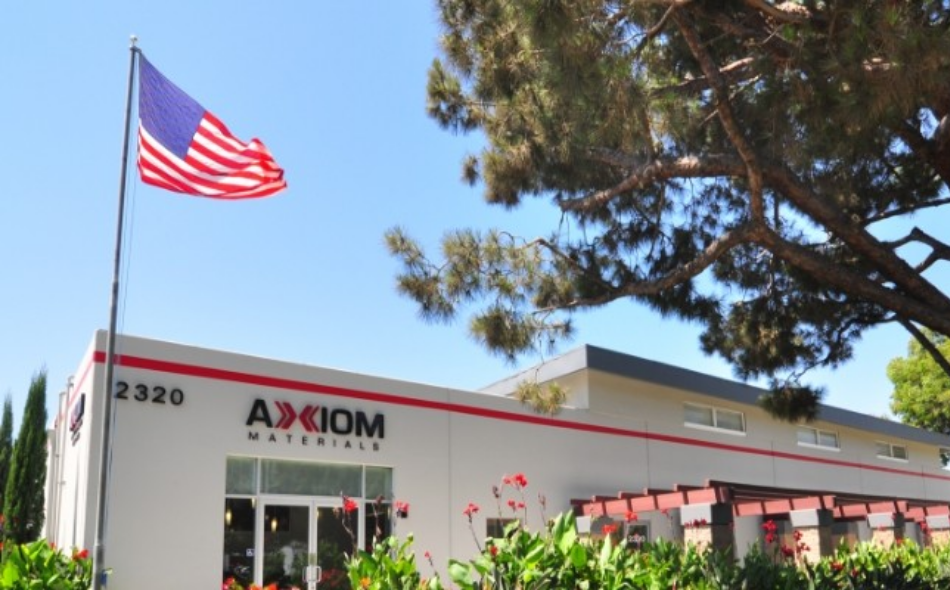
Kordsa Advanced Materials Technical Center

Asia Pacific Technical Center

As a leading company in the field of innovation, Kordsa has a presence in every region to be close to customers and suppliers as their partners. Kordsa leverages its more than 50 years of experienceto tailor its capabilities to the demands of the market in every region it serves. In this direction, Kordsa established Asia-Pacific (APAC) Technical Center in Indonesia in 2023.

At the APAC Technical Center, Kordsa’s main target is to have agility and autonomy in the region to serve better its customers. The Center focuses on projects related with sustainability, high-performance products, and customer based special solutions by making collaborations with regional customers, suppliers, and universities. APAC Technical Center abilities are physical tests, chemical and instrumental analysis, static and dynamic performance tests, and pilot scale tire cord production.
Asia Pacific Technical Center

Laboratory Capabilities

Izmit Technology Center laboratories have a world-class infrastructure which grows constantly in line with Kordsa’s continuous growth strategy.
Laboratory Capabilities | Kordsa İzmit Technology Center

Kordsa Laboratory Capabilities

Pilot Twisting Laboratory
The first stage of cord fabric production, yarn twisting, is performed at different levels.
In this laboratory, laboratory-scale production of polyamides and polyesters used in cord fabric production is carried out.
In this laboratory, tire compounds are milled to thicknesses suitable for adhesion tests.
In this laboratory, the characterization of the rheological properties of tire compounds is carried out.
In this laboratory, the cross-sectional surface analyses of finished cords and the failure mode analysis of cord-rubber adhesion samples are conducted.
Characterization of polymers, yarns and adhesives are carried out in the instrumental analysis laboratory, which includes instruments such as XRD, DSC, FTIR, TGA, GPC, DMA, and surface analysis.
In this laboratory, adhesive formulations are prepared and chemical tests are carried out on these formulations.
This laboratory provides the opportunity to conduct comprehensive analysis of the physical properties of cord fabric.
Fatigue lab conducts simulations pertaining to the fatigue behavior of cord fabric in tire.
Single end cords are coated with adhesives at pilot dipping unit to simulate the performance of cord fabric at plant scale.
Thin Film and Flexible Electronics laboratory uses microdispense and screen printing techniques for printed electronic applications, starting from prototypes and scaling up to pilot production and able to conduct electrical characterization on samples.
Green chemicals laboratory aims to develop green synthesis pathways (fermentation, recycling) for chemicals and materials.

KORDSA – SABANCI UNIVERSITY COMPOSITE R&D LABORATORIES

Composite Technologies Center of Excellence is the most significant center in composite industry in collaboration with Sabancı University, bringing together engineers, researchers, faculty members, students, entrepreneurs, and designers under one roof

In the Fiber Cutting Room, dry fibers such as glass, carbon and aramid can be cut almost in every shape with its decagonal rotary knife. Similarly, Prepregs can also be cut almost in every shape with a drag knife. Foam materials used in the production of sandwich cores and composite sandwich panels, such as Nomex™ honeycomb, can be cut using a pneumatic oscillating knife.
Autoclaves are pressurized laboratory devices where a series of stacked layers, usually bagged onto a mold, are heated during a specific curing cycle. This advanced composite production process allows for a denser and void-free molding because higher temperatures and pressure are used for curing. This method is widely used in the production of high-strength, high-strength-to-weight ratio components for aircraft, spacecraft, and rockets using high-strength prepreg fibers.
In the computational mechanic laboratory, novel modelling tools are developed for various problems such as variable stiffness design of composite structures and metal layer modelling. The laboratory offers simulation services for a range of industrial problems, from static design facts to dynamic collision simulations obtained using various commercial software, according to the needs of our customers.
Additive Manufacturing Lab aims to develop novel additive manufacturing technologies by improving and enhancing existing processes as well as developing new hybrid processes for manufacturing multifunctional complex parts. The lab focuses on metal, high-performance plastic, composite, and hybrid additive manufacturing processes.
The services provided in the Material Characterization Laboratory cover thermal, thermo-mechanical, rheological, and structural characterization of all composite materials and components used in composite production. The thermal properties of materials in the laboratory can be determined through thermogravimetric analysis (TGA), differential scanning calorimetry (DSC), and thermal conductivity measurements.
Polymer Processing Laboratory enables the development of thermoplastic polymer compound formulations, masterbatch preparation, and improved manufacturing processes. This lab is equipped with a twin-screw extruder with the capacities ranging from 500g to 20kg, a high-shear compounding machine, an injection coating machine, a film blowing system and two chemical reactors. 
The wet chemistry laboratory has the necessary equipment for experiments on different types of materials, ranging from newly designed monomers and nano-materials to polymer synthesis. The systems in the laboratory offer innovative solutions in the fields of textiles, hygiene, household goods, automotive, aerospace, and energy.
In the Mechanical Testing and Structural Health Monitoring Laboratory, mechanical properties of all kinds of materials are characterized and reported in accordance with international standards, accredited testing services and reports are provided, all total quality requirements are met and documented. Technical Data Sheets (TDS), Metallic and non-Metallic Materials Properties Development and Standardization (MMPDS) data, Design Allowables (DA), Fatigue and Damage Tolerance (F&DT) properties are provided.
The Advanced Composites Production Lab aims to manufacture high quality engineered composite parts utilizing both conventional and robotic based manufacturing technologies through process modeling to explain process-robot interaction, robot motion and path planning using physical models. The lab is equipped with Robotic Automated Fiber Placement (AFP) for composite manufacturing, laboratory-scale and industrial-scale Hot Presses, Robotic processing and Abrasive Waterjet Machining of composites and metals, and systems for layered production of composites.

Engineering Capabilities

To maximize the effectiveness of dedicated responsibilities, the Global Engineering (GE) seeks to lead and support R&D projects and collect engineering resources, know-how, and best practices. The GE team is formed as industrial and smart Machines Teams. All Kordsa sites may supply resources to the core team according to the project needs:

  • Define specifications for Global process machinery and equipment
  • Define and document global engineering standards
  • Manage Capex process for new equipment investment
  • Industrialization studies and technical support to global sites
  • Develop new equipment and prototype machines
  • Bringing and deploying solutions of new designs of equipment for new/existing products/processes
  • Digitalization studies by; machine digitalization with the implementation of various hardware (new sensors, etc.) & software (IBA, etc.), Data analytic studies using Deep Learning, and Machine Learning tools, Developing Visual Inspection Systems (VIS) with using related AI technologies, Robotic and automation systems development for new processes, Using and implementation of Smart Reality tools which are AR, VR, MR for remote support
  • New technology studies
Kordsa Engineering Capabilities

The history of Kordsa, which began in 1973 by manufacturing cord fabric for automobile tires, continues today as an "Advanced Materials Company" that has expanded to 6 countries on 4 continents.

1096 Patent Applications
619 Approved Patents